
How to Protect Your Eyes During Monsoon
- Sharp Sight Eye Hospitals
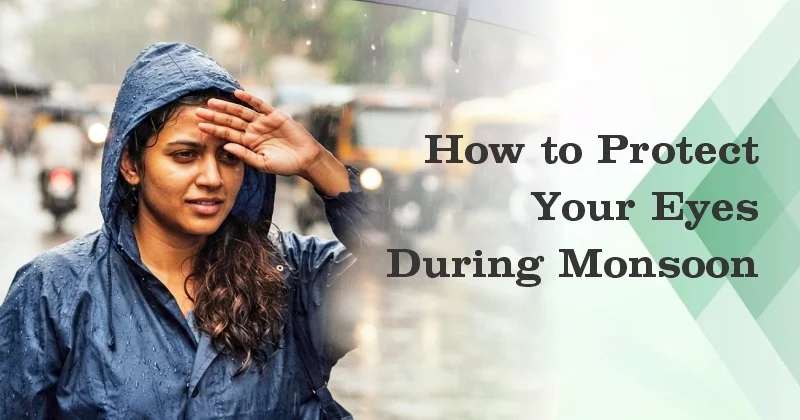
The monsoon season can expose your eyes to several issues. While the monsoon—or rainy season—is delightful and the scent of rain-kissed earth soothes the mind and soul, acting almost like a “reboot button” for nature to heal and refresh itself, there is another side to the story. Just as every coin has two sides, this pleasant weather can also lead to certain health issues. Problems aren’t limited to just the common cold, cough, or fever; the rainy season can also bring about eye-related troubles. If you experience any eye issues, you should visit your nearest Sharp Sight Eye Hospital to receive excellent treatment from experienced doctors. But you might be wondering: what exactly are these eye problems associated with the monsoon?
Why does the risk of eye problems increase during the rainy season?
Before discussing the specific eye issues that arise during the monsoon, it is crucial to understand why the risk increases in the first place. As we know, the air becomes highly humid during the rainy season. This environment fosters the rapid growth of bacteria, viruses, and fungi. Additionally, pollutants present in rainwater and the habit of frequently touching your eyes with your hands can lead to serious complications. Let us take a look at what these specific problems are.
● Conjunctivitis
● Stye
● Corneal ulcer
● Eye allergies
Let us now explore these issues in detail. We will also look at how to care for your eyes and when it is necessary to seek medical advice.
Conjunctivitis
As mentioned earlier, bacteria and viruses thrive in contaminated rainwater. When this water comes into contact with the eyes, the risk of developing conjunctivitis (pink eye) increases significantly. This condition is highly contagious and spreads rapidly through contact with an infected person or their personal belongings. Key symptoms include redness and swelling of the eyes, watery or sticky discharge, a gritty sensation, pain, and itching. To prevent this, wash your hands frequently, avoid touching your eyes, ensure contact lenses and glasses are clean before use, and keep your distance from infected individuals and their belongings.
Stye
During the monsoon, humidity, dust, and bacteria can lead to the development of a stye on the eyelid. This is a very common issue that can affect anyone at any time. A stye is a painful, red pimple or lump caused by an infection in the oil glands along the edge of the eyelid. Maintaining good eye hygiene helps prevent this condition. If you do develop a stye, applying a warm compress to the eye can provide relief. Alternatively, you can place a tea bag soaked in warm water over the affected eye.
Corneal Ulcer
Increased humidity during the rainy season fosters the rapid growth of bacteria, viruses, and fungi. These pathogens can lead to the development of corneal ulcers. This significantly increases the risk of corneal ulcers—sores on the transparent part of the eye. It is a serious condition characterized by intense eye pain, redness, watering, and sensitivity to light. Such issues arise from exposure to contaminated water, wearing contact lenses, and rubbing the eyes.
Eye Allergies
Increased levels of mold and dust particles in the monsoon air raise the risk of eye allergies and infections. This leads to symptoms such as redness, itching, and watering of the eyes. Specific symptoms include itching and a burning sensation, a persistent gritty feeling, redness, and white discharge. Eyelid swelling and eyelids sticking together—especially upon waking up in the morning—are also common issues.
How to take care of your eyes during the monsoon?
To take care of your eyes during the monsoon, you need to follow some very simple yet effective tips. Doing so can help reduce the risk of the aforementioned eye problems.
● Avoid rubbing your eyes: If you want to maintain good eye health, never make the mistake of rubbing them. If you experience itching or a burning sensation, use clean water and a soft cloth; this prevents the spread of infection. Avoid repeatedly touching or rubbing your eyes, as doing so can spread infection.
● Maintain hand hygiene: You should avoid frequently touching your eyes or face—not just during the monsoon, but also in any season. If you need to touch them, wash your hands thoroughly with soap first.
● Avoid rainwater: Rainwater can contain dirt and bacteria, so try to protect your eyes from exposure to it.
● Do not share personal items: We often share personal items like towels and soap with family members at home. Doing this can also lead to the eye problems mentioned earlier.
● Wear sunglasses: You should wear sunglasses when stepping out to protect your eyes from dust and rain splashes.
● Take care of contact lenses: If you wear contact lenses, paying extra attention to their cleanliness during the monsoon is crucial. Avoid wearing lenses during the rainy season or if you have an eye infection.
When should you see a doctor?
If you experience any eye problems despite following the tips mentioned above, you should visit Sharp Sight Eye Hospitals and consult a doctor immediately. Neglecting this could allow any of the aforementioned conditions to worsen, potentially leading to serious eye damage. Additionally, if you experience symptoms such as redness, a stinging sensation, watering, itching, or swelling of the eyelids, you should consult a doctor immediately.
You should never ignore any eye-related issues. Our eyes are extremely sensitive; that is why we need to take care of them in every season, not just during the monsoon. If you are looking for top-class, excellent treatment for your eye problems, there is no better option than Sharp Sight Eye Hospital in Delhi.
FAQ
1: Why are eye infections more common during the rainy season?
The rainy season creates humid conditions that encourage the growth of bacteria, viruses, and fungi. Exposure to contaminated rainwater, dirty hands, or shared towels can increase the risk of eye infections such as conjunctivitis (pink eye).
2: What are the common symptoms of an eye infection?
Common symptoms include redness, itching, excessive tearing, swelling, eye discharge, blurred vision, sensitivity to light, and a gritty or burning sensation. If symptoms worsen or vision is affected, consult an eye specialist promptly.
3: How can I protect my eyes during the monsoon?
Wash your hands frequently, avoid touching or rubbing your eyes, wear protective eyewear when outdoors, keep your contact lenses clean, avoid sharing towels or eye makeup, and maintain good personal hygiene to reduce the risk of infection.
4: When should I see an eye doctor during the rainy season?
Seek medical attention if you experience severe eye pain, persistent redness, significant swelling, thick discharge, sudden vision changes, or if symptoms do not improve within 24–48 hours. Early treatment can help prevent complications.
Recent Posts
-
How to Protect Your Eyes During Monsoon
July 15, 2026 -
What Causes Premature Vision Loss?
July 9, 2026