
Summer Vision Protection: Tips to Keep Your Eyes Safe and Clear
- Sharp Sight Eye Hospitals
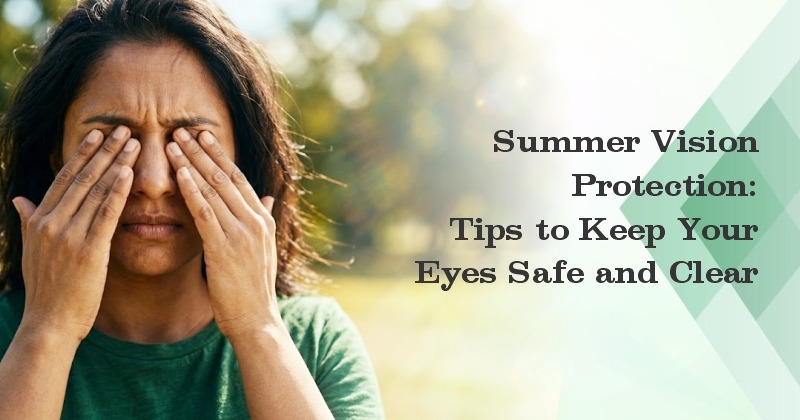
During the summer season, in addition to affecting the skin and the body as a whole, the eyes are also susceptible to harm. Intense sunlight, scorching heat, dust, dirt, and excessive perspiration—all these factors are sufficient to have a detrimental effect on our eyes. This is precisely why they bear the brunt of seasonal changes more than any other part of the body.
However, in this article, we will outline the common eye-related issues that arise during the summer and share some simple methods to prevent them. Furthermore, we will highlight specific situations in which you should seek immediate consultation with an experienced doctor at Sharp Sight Eye Hospitals. If you neglect your eye health in a timely manner, these issues could escalate into serious complications.
What Are the Common Eye Problems Experienced in Summer?
Due to hot winds, the moisture in the eyes tends to evaporate during this season. Furthermore, exposure to UV rays and frequent use of swimming pools can also lead to various eye-related problems. Let us take a look at the eye conditions most commonly observed during the summer months:
1. Dry Eye Syndrome
During the summer, temperatures soar significantly, leading to dehydration within the body. This has a direct impact on the glands responsible for tear production in our eyes. Moreover, air conditioning units—running continuously in offices and homes—tend to deplete the moisture present in the indoor air. Direct exposure to this dry air causes the natural moisture within the eyes to evaporate rapidly. This is called Dry Eye Syndrome. Symptoms typically include a stinging or burning sensation in the eyes, a gritty feeling (as if a pebble were lodged in the eye), and a general sense of eye fatigue.
2. Allergic Conjunctivitis
This is a very common condition. During the summer, dust, dirt, pollen, and various pollutants are dispersed through the air. When our eyes come into contact with these particles, ‘allergic conjunctivitis’ begins to develop. Its primary symptoms include sudden redness of the eyes, intense itching, excessive watering, and slight swelling of the eyelids.
3. Infectious Conjunctivitis (Pink Eye)
This is another common ailment frequently observed during the summer season. This occurs because the high humidity characteristic of summer facilitates the rapid proliferation of bacteria and viruses. Additionally, people often visit swimming pools, ponds, or water parks to cool themselves down. If the water in these pools is not properly sanitized (chlorinated), the bacteria present within it can spread infections to the eyes. In common parlance, this condition is referred to as “Pink Eye.” It is contagious and spreads from one person to another; for this reason, one should avoid using personal items belonging to an infected individual.
4. Photokeratitis (Eye Sunburn)
Just as prolonged exposure to intense sunlight can scorch our skin, a similar sunburn effect can occur in the eyes. The sun’s harmful ultraviolet (UV) rays can burn the front surface of the eye—specifically, the cornea. This condition is termed photokeratitis. It typically occurs when a person remains exposed to direct sunlight for a long time without wearing sunglasses. This can lead to symptoms such as severe eye pain, sensitivity to light, redness of the eyes, etc.
5. Stye
Excessive sweating is common during the summer months. If the face and eyes are not thoroughly cleaned, the accumulation of sweat and dust can clog the oil glands near the eyelids. When bacteria proliferate within these blocked glands, a painful pimple-like bump develops on the eyelid; this is known as a stye. In this condition, even a light touch to the eyelid causes severe pain, and opening the eye feels difficult.
How to Protect Your Eyes During Summer?
Avoiding all these eye-related problems is quite simple, provided you incorporate a few small yet essential changes into your daily routine. By following some advice, you can keep your eyes healthy, even during the summer season:
• Wear UV-protective eye wear: Whenever you step out of the house during the summer, never forget to wear sunglasses. Additionally, ensure that your sunglasses bear the ‘100% UV Protection’ label.
• Use Artificial Tears (Lubricating Drops): If your work requires you to sit in front of an air conditioner or work on a computer for extended periods, use artificial tears—also known as lubricating eye drops—after consulting with a doctor.
• Stay Hydrated (Drink Plenty of Water): The best way to maintain moisture levels in your body and eyes is to drink at least 3 to 4 liters of water throughout the day. Additionally, you can consume coconut water, lemonade, buttermilk, or fresh fruit juices.
• Wear Goggles While Swimming: If you plan to go swimming this summer, never enter the water without wearing swimming goggles. Wearing goggles prevents the chlorine and harmful bacteria present in pool water from coming into direct contact with your eyes, thereby eliminating the risk of infection.
• Maintain Hand Hygiene: Throughout the day, our hands touch various surfaces, causing countless bacteria to accumulate on them. When we inadvertently rub our eyes with these hands, the infection is transferred to the eyes. Therefore, avoid touching your eyes frequently and ensure you keep your hands clean.
• Avoid Direct Exposure to AC Air: Whether you are driving a car or sitting in a room, ensure that the strong airflow from the air conditioner (AC) or a table fan does not blow directly onto your face and eyes. You can redirect the airflow so that your natural tears do not dry out too quickly.
• Wash your eyes with cold water: After coming indoors, gently splash your eyes with clean, cold water. This helps wash away accumulated dust and dirt, providing immediate relief and a cooling sensation.
When to See a Doctor?
Often, what appears to be a minor eye issue listed can actually be a symptom of a serious underlying condition? If you experience any constant symptoms or discomfort in your eyes, do not delay—visit your nearest Sharp Sight Eye Hospitals immediately.
• Severe and persistent eye pain
• Blurred vision
• Excessive eye redness that does not subside
• Sensitivity to light (photophobia) or difficulty tolerating bright light
• Discharge of yellow or green fluid from the eyes
• Significant swelling of the eyelids or the area surrounding the eyes
If you notice any of these symptoms in your eyes during the summer season, consult a doctor without wasting any time. If left untreated, these symptoms could lead to serious eye complications.
Conclusion
If you would like to learn about specific eye drops for summer eye care, or if you wish to discuss any existing eye symptoms (such as persistent watering or itching), be sure to visit Sharp Sight Eye Hospital in Delhi. By doing so, you can protect your eyes from potentially serious complications. Furthermore, your vision will become sharper than ever before.
FAQs
1: What are the most common summer eye problems?
The most frequent issues include dry eyes (due to ACs and heat), allergic conjunctivitis (from dust and pollen), photokeratitis (eye sunburn from UV rays), and swimming pool conjunctivitis (from chlorine and bacteria).
2: Why do my eyes feel burning and dry during summer?
High temperatures cause the tear film on your eyes to evaporate much faster. Also, sitting directly in front of the AC or fans quickly dries out the eyes, leading to these problems.
3: Can swimming cause eye infections?
Yes. Chlorine in pools can irritate the eyes and wash away the protective tear film. This makes your eyes highly susceptible to bacterial infections, leading to redness, itching, and infection.
4: How do UV rays damage the eyes?
Prolonged exposure to harsh summer sunlight can cause short-term damage like photokeratitis (painful, blurry vision). In the long term, cumulative UV damage increases the risk of cataracts and macular degeneration.
Recent Posts
-
How to Protect Your Eyes During Monsoon
July 15, 2026 -
What Causes Premature Vision Loss?
July 9, 2026